A well-made natural latex mattress can last 15 years or more, and many go well beyond that. For anyone investing in better sleep, that kind of longevity means the mattress you choose today could comfortably be the one you are sleeping on a decade and a half from now.
What gives natural latex that kind of staying power comes down to the material itself, and how rubber tree sap behaves under years of everyday use.
What makes natural latex so resilient
Natural latex is not engineered in a lab. The raw material comes from the sap of rubber trees, and the properties that make it comfortable also make it remarkably durable.
The elasticity of rubber tree sap
Rubber tree sap has a natural elasticity that very few mattress materials can match. When weight is placed on it, the material compresses. When the weight is removed, it springs back almost immediately. A 100% natural latex mattress does this thousands of times over years of use without losing its ability to recover.
That resilience is built into the molecular structure of the material. Natural rubber maintains its elasticity over long periods because the polymer chains that give it bounce do not fatigue the way synthetic alternatives do.
An open-cell structure that distributes wear naturally
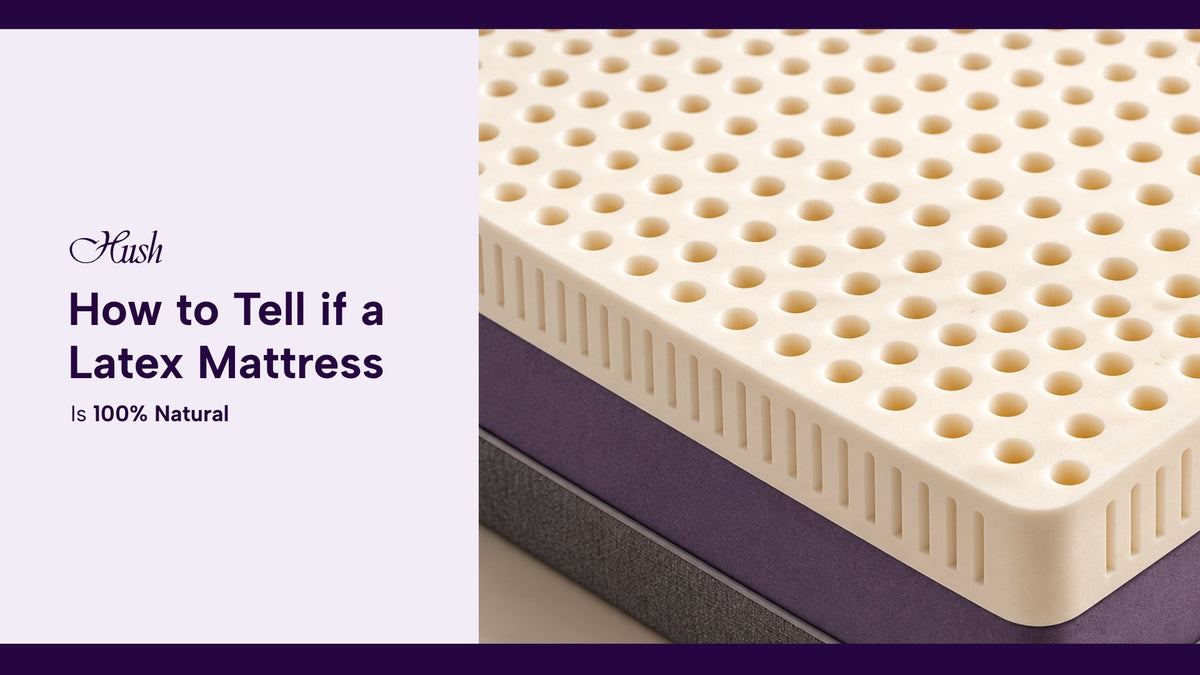
Natural latex has an open-cell structure, meaning the material is made up of interconnected air channels rather than sealed pockets. When you lie on a natural latex mattress, weight is distributed across a wide area rather than concentrated in a few pressure points.
That matters for longevity because concentrated pressure is what causes permanent impressions in most mattresses. Natural latex spreads the load, so no single area bears more than its share over time. The same structure also allows air to flow through the material, keeping it dry and reducing the kind of moisture buildup that breaks other materials down.
What breaks other mattress materials down over time
Understanding why natural latex lasts so long is easier when you compare it to how other materials age. Most mattress materials degrade in predictable ways, and the factors that accelerate that process are especially relevant in Indian conditions.
How heat and moisture accelerate aging
Innerspring mattresses lose tension in their coils over time, and the padding layers on top tend to compress and flatten. Memory foam softens progressively with heat exposure, because the material relies on warmth to conform, and that same responsiveness gradually weakens its structure. Synthetic latex foam breaks down faster than natural latex because its polymer chains are less stable.
Why Indian climates are especially tough on mattresses
India's combination of high temperatures, seasonal humidity, and limited ventilation in many bedrooms creates conditions that test mattress materials more than most environments. Monsoon seasons bring sustained humidity, and hot summers keep surface temperatures elevated for months.
Natural latex handles these conditions better than most materials because its open-cell structure allows moisture to escape rather than accumulate, and its elasticity is not weakened by heat the way synthetic alternatives are. For anyone sleeping in Indian conditions, the durability advantage of natural latex becomes even more pronounced.
What this means over the years
Knowing why natural latex is durable is useful. Knowing what that durability looks like in practice makes the picture complete.
How natural latex ages compared to other materials
Where memory foam may develop permanent body impressions within a few years and innerspring mattresses begin to sag as coils fatigue, natural latex ages differently. The comfort layer may soften very slightly over many years, but natural latex rarely develops the deep, uneven impressions that other materials are known for.
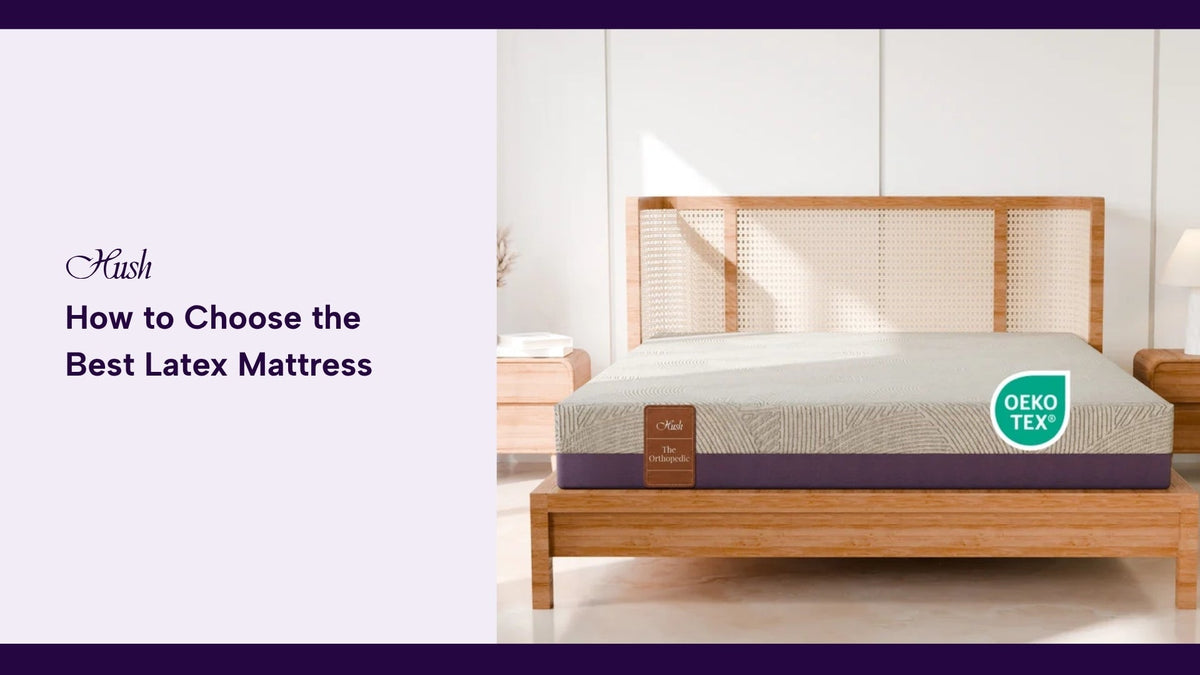
A mattress built for orthopedic support with a bonded foam base holds its firmness well, since the denser base resists compression over time. Across a full mattress collection built around 100% natural latex, durability stays consistent from one model to the next.
When a mattress has genuinely done its job
Even natural latex will eventually reach the end of its effective life. The signs tend to be gentle rather than dramatic. A gradual shift in how supported you feel, or a sense that the mattress no longer responds the way it used to.
A quality mattress should hold its comfort and support for the long haul, not just a few years. That is exactly what customer-first policies like a 365-night trial and a lifetime warranty are there to back, good signs the material inside is built to do the same.
Built to last, and it shows
A natural latex pillow paired with a mattress made from the same material rounds out a setup built around durability and comfort. When the latex is 100% natural, the answer to how long it lasts is a long time, and the material itself is the reason why.
If you want help finding a mattress that is built to hold up for years, talk to a sleep expert who can walk you through the options.
Frequently asked questions
Q. How long does a latex mattress last compared to memory foam?
A 100% natural latex mattress can last 15 years or more. Memory foam mattresses typically last 7 to 10 years before developing permanent body impressions or losing support. The difference comes down to the material. Natural latex recovers its shape consistently over time, while memory foam gradually softens.
Q. Does the type of latex affect the latex mattress lifespan?
Yes. 100% natural latex lasts significantly longer than synthetic or blended alternatives. Synthetic latex foam may last 6 to 10 years, while blended latex foam falls somewhere in between. The natural rubber content is the primary factor in how long the mattress holds up.
Q. How long do latex mattresses last in hot and humid climates?
Natural latex performs well in warm and humid conditions because its open-cell structure allows moisture to escape rather than settle into the material. In Indian climates, where heat and humidity are sustained for long stretches, natural latex tends to hold up better than materials that trap moisture and heat.
Q. Can a latex mattress lose support without visible sagging?
Yes. Over many years, the comfort layer may soften gradually without developing deep impressions. The change is subtle and usually shows up as a shift in how the mattress feels rather than how it looks.
Q. How long should a latex mattress last before the comfort layer softens?
With 100% natural latex, noticeable softening may not appear for several years. Denser, firmer models tend to hold their original feel even longer. Rotating the mattress periodically helps distribute wear more evenly.
Q. Does body weight affect how long a latex mattress lasts?
Heavier sleepers apply more pressure to the surface, which can soften the comfort layer faster over time. The Orthopedic is the better fit here, since its bonded foam base gives firmer, longer-lasting support under more weight. The 8-inch option adds a deeper comfort layer for extra cushioning.